
Techniques for Writing Foster and Adoption Stories for Children: Connecting With Readers Ages 4–8
Stories help children make sense of the world long before they have all the words to explain what they feel. For kids ages 4 to

Stories help children make sense of the world long before they have all the words to explain what they feel. For kids ages 4 to

Writing about foster care or adoption is entering into someone’s real lived experience, where emotions are layered and backgrounds are diverse. These stories require care,
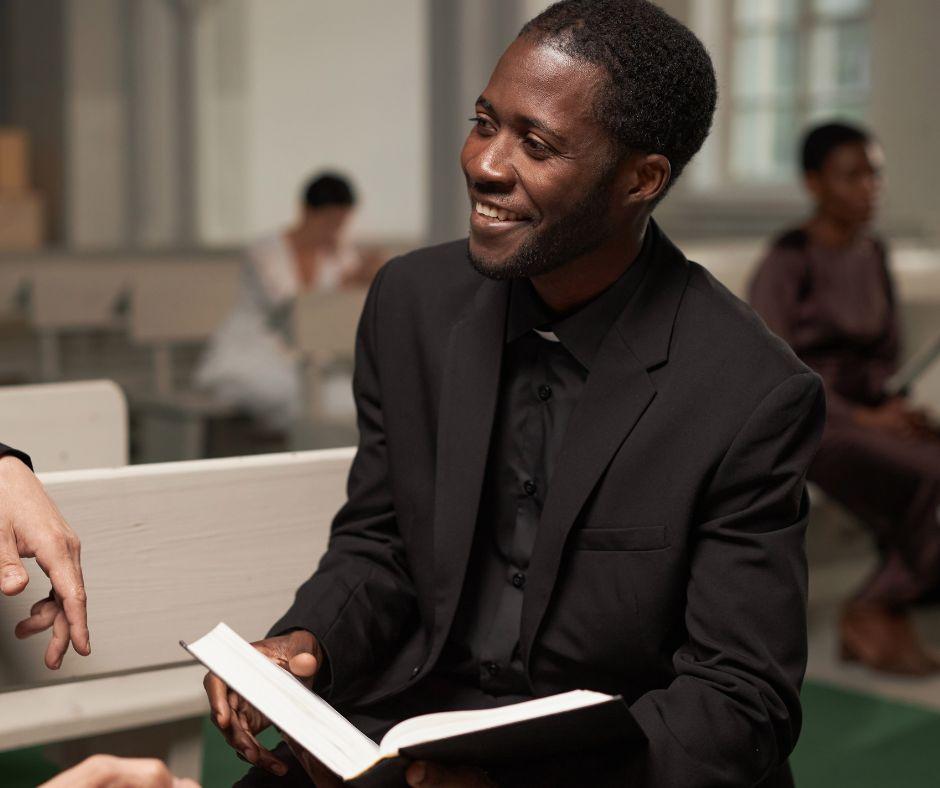
If you’ve ever spent hours studying Scripture, praying for direction, and shaping a sermon only to wonder later if it made a difference, you’re not

Every Sunday, pastors step up to the pulpit with the same mission: to share God’s Word in a way that reaches hearts and changes lives.

When you sit down to write a memoir, the hardest part isn’t usually finding what to say—it’s deciding what not to say. After all, you’ve

If you’ve ever thought about telling your story in book form, you’ve probably run into two words that seem almost interchangeable: memoir and autobiography. They

Structure can sound like a scary word. It feels rigid, maybe even limiting. But here’s the truth: structure is what keeps your fiction book from

Great fiction starts with characters who feel real. Not perfect, not polished—but genuine. When readers connect with your characters, they care what happens next. They

Books about military service and patriotism have the power to move people. They can stir pride, open eyes, and give voice to experiences that often

There’s something uniquely powerful about a military memoir. It’s a legacy, a reflection of courage, sacrifice, and often, quiet strength that deserves to be shared.