
Casey Cease

A tired author leaning back in a chair, staring out a window while taking a break from writing a book.

What to Do When You Feel Burned Out on Your Book Project

Burnout doesn't usually arrive all at once. It builds slowly, quietly, between missed writing sessions and growing frustration. At first, it looks like fatigue. Then it feels like resistance. Eventually, it becomes the thought many writers are afraid to admit: I don't know if I can keep going. If you’ve felt burned out on your […]

What to Do When You Feel Burned Out on Your Book Project Read More »

A man wearing glasses and a blue shirt asleep on his desk, leaning his head on his arms over a computer keyboard, illustrating writer's fatigue and the need for a pause.

Is It Okay to Pause Writing? How to Know When It’s Time to Continue

Most writers reach a point where they wonder if stepping away from their work means they’re doing something wrong. Pausing can feel uncomfortable, especially in a culture that celebrates constant productivity. But the truth is, many meaningful books are shaped not only by seasons of writing, but also by seasons of waiting. Pausing your writing

Is It Okay to Pause Writing? How to Know When It’s Time to Continue Read More »

Writing Foster and Adoption Stories for Children

Techniques for Writing Foster and Adoption Stories for Children: Connecting With Readers Ages 4–8

Stories help children make sense of the world long before they have all the words to explain what they feel. For kids ages 4 to 8, the books they read can shape how they understand family, belonging, courage, love, and even loss. When you write about foster care or adoption for young readers, you are

Techniques for Writing Foster and Adoption Stories for Children: Connecting With Readers Ages 4–8 Read More »

Best Practices for Writing Adoption and Foster Care Books

Best Practices for Writing Adoption and Foster Care Books

Writing about foster care or adoption is entering into someone’s real lived experience, where emotions are layered and backgrounds are diverse. These stories require care, intention, and truth. When done thoughtfully, they can help readers feel seen, supported, and understood. When done without sensitivity, they can unintentionally gloss over pain or turn real challenges into

Best Practices for Writing Adoption and Foster Care Books Read More »

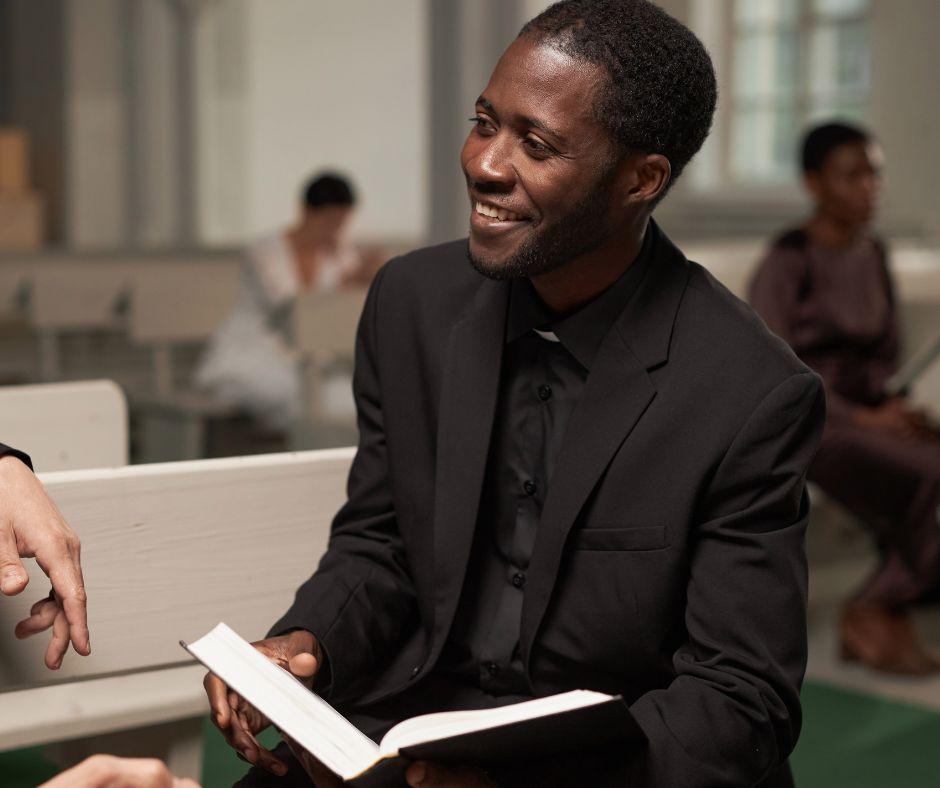
Sermons as Seeds: Encouragement for Pastors Who Wonder if Their Words Last

Sermons as Seeds: Encouragement for Pastors Who Wonder if Their Words Last

If you’ve ever spent hours studying Scripture, praying for direction, and shaping a sermon only to wonder later if it made a difference, you’re not alone.  Every pastor has felt that quiet question: Do these words really last once people walk out the door? The truth is, sermons often do more work than we realize.

Sermons as Seeds: Encouragement for Pastors Who Wonder if Their Words Last Read More »

Memoir vs. Autobiography: What’s the Difference

Memoir vs. Autobiography: What’s the Difference (and Which Should You Write?)

If you’ve ever thought about telling your story in book form, you’ve probably run into two words that seem almost interchangeable: memoir and autobiography. They both deal with real lives. They’re both rooted in truth. But when it comes to actually sitting down to write, the two forms are more different than most new authors

Memoir vs. Autobiography: What’s the Difference (and Which Should You Write?) Read More »

Fiction Book Structure 101: A Simple Guide for First-Time Authors

Fiction Book Structure 101: A Simple Guide for First-Time Authors

Structure can sound like a scary word. It feels rigid, maybe even limiting. But here’s the truth: structure is what keeps your fiction book from falling apart halfway through. It’s the scaffolding that holds the magic in place. And when done well, it disappears entirely, leaving your reader fully immersed. If you’re writing your first

Fiction Book Structure 101: A Simple Guide for First-Time Authors Read More »

How to Write Characters Readers Actually Believe In

How to Write Characters Readers Actually Believe In

Great fiction starts with characters who feel real. Not perfect, not polished—but genuine. When readers connect with your characters, they care what happens next. They root for them, worry about them, and think about them long after the book is closed. If you’re writing a fiction book and want to build characters readers actually believe

How to Write Characters Readers Actually Believe In Read More »